Adipotide for Lab Research: A Modern Approach for the Medical Weight Loss Clinic
Introduction: Redefining Weight Management with Precision Science
Weight management has evolved beyond calorie counting and generic supplements. Today’s health-conscious adults seek clinically guided, science-driven solutions that align with modern medicine. This shift has fueled the rise of the medical weight loss clinic, where professionals focus on personalized strategies backed by research rather than trends.
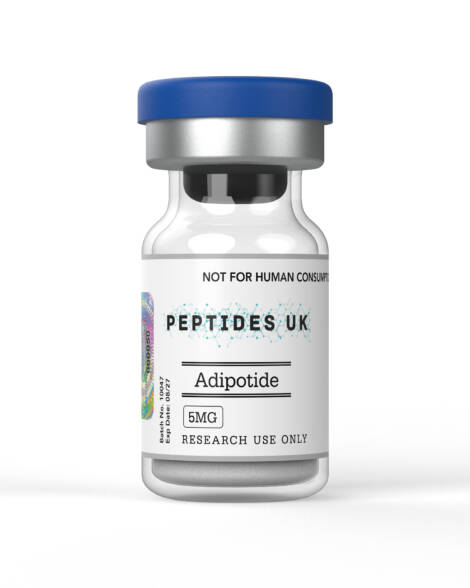
Within this advanced landscape, Adipotide for lab research has gained attention as a compound being studied for its targeted approach to fat biology. While not marketed as a consumer treatment, Adipotide represents a growing category of research-grade compounds that help clinics and laboratories explore new frontiers in metabolic science—supporting the goal to weigh naturally through precision-based innovation.
This article explores how Adipotide fits into the evolving ecosystem of medical weight loss clinics, its researched mechanisms, potential benefits under investigation, and how it compares to more conventional approaches.
How Adipotide Works for Weight Loss (From a Research Perspective)
Adipotide is a synthetic peptide studied in laboratory settings for its interaction with fat tissue pathways. Unlike traditional weight loss solutions that broadly suppress appetite or stimulate metabolism, Adipotide has been researched for its targeted biological focus.
Mechanism Under Scientific Evaluation
Research models suggest that Adipotide interacts with specific markers associated with adipose (fat) tissue vascularization. In simple terms, studies explore how it may:
-
Target blood vessel pathways linked to fat storage
-
Support selective fat tissue reduction mechanisms
-
Preserve surrounding non-fat tissue in research models
This precision-based interest aligns with the philosophy of the modern medical weight loss clinic, which prioritizes measured, controlled, and individualized approaches over aggressive or unsustainable methods.
Important note: Adipotide is intended strictly for laboratory and research use, not direct consumer administration.
Key Components & Their Research Significance
Adipotide (Research Peptide Compound)
Adipotide is the primary compound under investigation. In laboratory environments, it is valued for:
-
High molecular specificity
-
Stability under controlled conditions
-
Compatibility with metabolic and obesity research models
Unlike multi-ingredient supplements, Adipotide research focuses on single-compound clarity, allowing scientists and clinics to evaluate outcomes with precision.
Why Single-Compound Research Matters
Medical weight loss clinics often collaborate with labs to assess emerging therapies. Single-compound studies:
-
Reduce confounding variables
-
Improve data accuracy
-
Support responsible clinical decision-making
This makes Adipotide particularly relevant in professional research environments.
Science-Backed Benefits Under Investigation
While human outcomes depend on regulated clinical trials, research has explored several potential benefit areas relevant to weight management science.
Fat Reduction Pathways
Studies investigate how Adipotide may support:
-
Targeted fat tissue signaling
-
Reduction in adipose mass in controlled models
-
Preservation of lean tissue structure
Metabolic Efficiency
Laboratory data explores whether adipose-focused mechanisms could indirectly support:
-
Improved metabolic signaling
-
More efficient energy utilization
-
Reduced metabolic strain associated with excess fat tissue
Appetite Regulation (Indirect Focus)
Unlike appetite suppressants, Adipotide research does not center on hunger control, which may appeal to medical weight loss clinics seeking alternatives to stimulant-based approaches.
Energy & Vitality Research Context
By targeting fat pathways rather than the central nervous system, Adipotide research aligns with efforts to maintain natural energy balance rather than artificial stimulation.
Who Is This Relevant For?
Adipotide for lab research is designed for professional environments only, making it suitable for:
-
Medical weight loss clinics conducting research partnerships
-
Licensed laboratories studying obesity and metabolism
-
Healthcare innovators exploring next-generation weight management science
-
Research institutions focused on fat biology
It is not intended for individual self-use, over-the-counter sale, or unsupervised application.
How Medical Weight Loss Clinics Use Research Compounds
In a medical weight loss clinic setting, compounds like Adipotide may be used to:
-
Support internal research and education
-
Inform future treatment frameworks
-
Compare emerging science with established protocols
Best Practices in Professional Settings
Clinics that explore research compounds typically prioritize:
-
Regulatory compliance
-
Ethical research standards
-
Transparent documentation
-
Collaboration with licensed laboratories
This reinforces trust and credibility—key pillars of a premium medical weight loss clinic.
Safety, Quality & Compliance Information
Research-Grade Standards
High-quality Adipotide products for lab research are typically:
-
Manufactured in controlled environments
-
Purity tested via third-party analysis
-
Clearly labeled “For Research Use Only”
Compliance Considerations
Reputable suppliers emphasize:
-
No consumer health claims
-
No medical treatment guarantees
-
Full transparency on intended use
This approach protects both clinics and patients while maintaining professional integrity.
Realistic Results & Expectations
It is essential to maintain realistic expectations when discussing Adipotide research.
-
Results observed in laboratory models do not equal clinical outcomes
-
Human applications require extensive regulatory approval
-
Research timelines are measured in years, not weeks
Medical weight loss clinics that communicate these realities build long-term trust and authority.
Adipotide vs Other Weight Loss Approaches
Compared to Traditional Supplements
| Feature | Adipotide (Research) | OTC Supplements |
|---|---|---|
| Purpose | Scientific research | Consumer weight loss |
| Target | Fat tissue pathways | Appetite / metabolism |
| Claims | None | Often exaggerated |
| Use Setting | Lab / clinic | General public |
Compared to GLP-1-Based Therapies
While GLP-1 therapies focus on appetite signaling, Adipotide research explores fat-specific mechanisms, offering a fundamentally different scientific angle for medical weight loss clinics to study.
Frequently Asked Questions (FAQ)
1. Is Adipotide approved for medical treatment?
No. Adipotide is strictly for laboratory research and is not approved for medical or consumer use.
2. Why are medical weight loss clinics interested in it?
Clinics value research compounds to stay informed on emerging science and future treatment possibilities.
3. Does Adipotide suppress appetite?
Current research does not focus on appetite suppression but on fat tissue pathways.
4. Can this replace existing weight loss programs?
No. It is a research compound, not a replacement for approved medical treatments.
5. Is Adipotide safe?
Safety depends on controlled research conditions and regulatory compliance. Human safety requires clinical trials.
6. How does this help patients today?
Indirectly—by advancing research that may shape safer, more effective future therapies.
Final Verdict: A Forward-Thinking Tool for the Medical Weight Loss Clinic
Adipotide for lab research represents a new generation of precision-focused weight management science. For the modern medical weight loss clinic, it offers an opportunity to explore fat biology beyond traditional appetite-centric models—supporting the long-term goal to weigh naturally through innovation, not exaggeration.
Clinics that stay informed, compliant, and research-driven position themselves as leaders in the future of weight management.
Explore responsibly. Research ethically. Lead the evolution of medical weight loss.